Description
Description
This course provides a comprehensive, evidence-informed overview of disorders of gut–brain interaction (DGBIs), with a focus on their clinical relevance, diagnosis, and management. Participants will explore the epidemiology and presentation of common conditions such as irritable bowel syndrome (IBS) and functional dyspepsia, alongside a detailed review of current diagnostic frameworks, including the Rome IV criteria and their practical limitations.
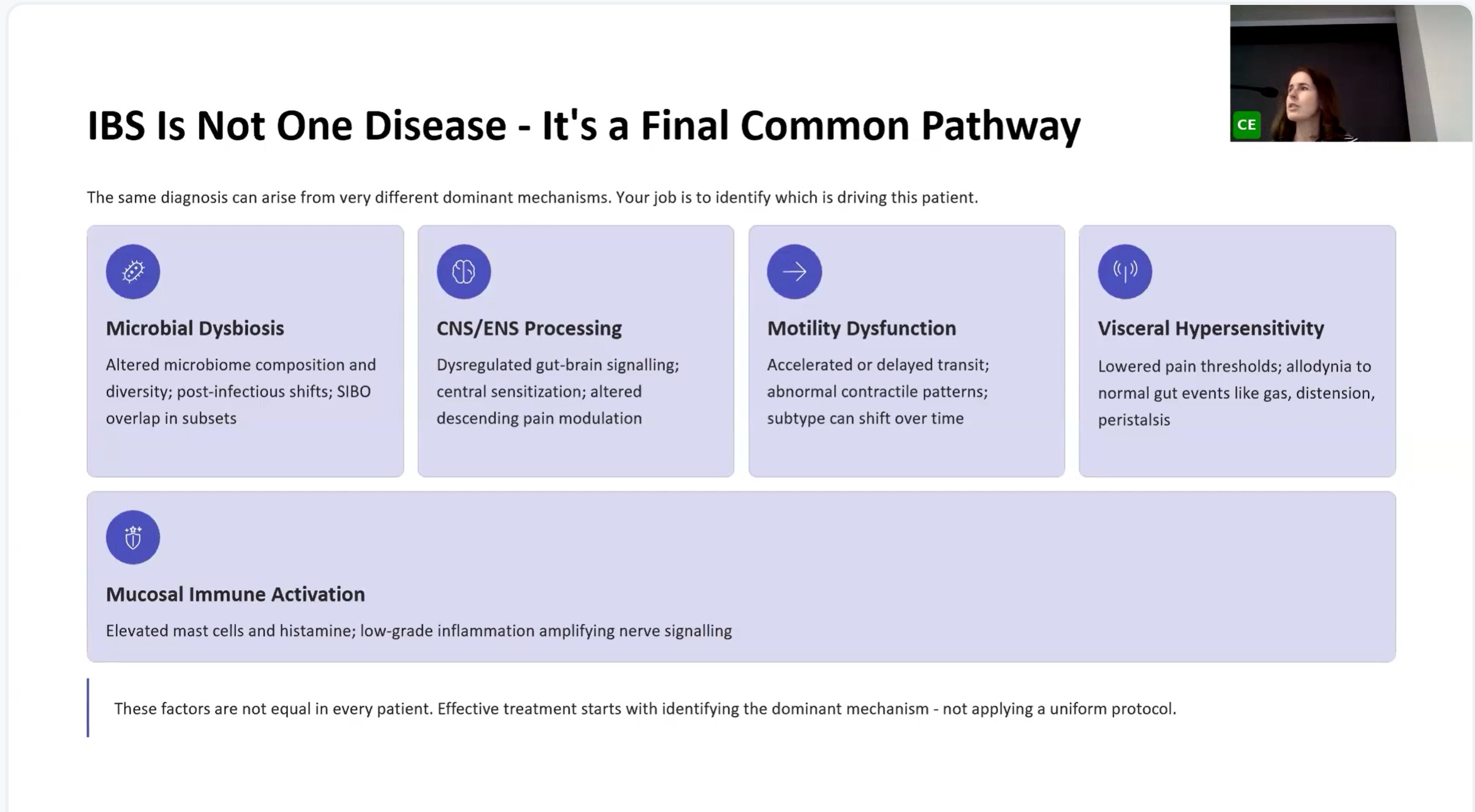
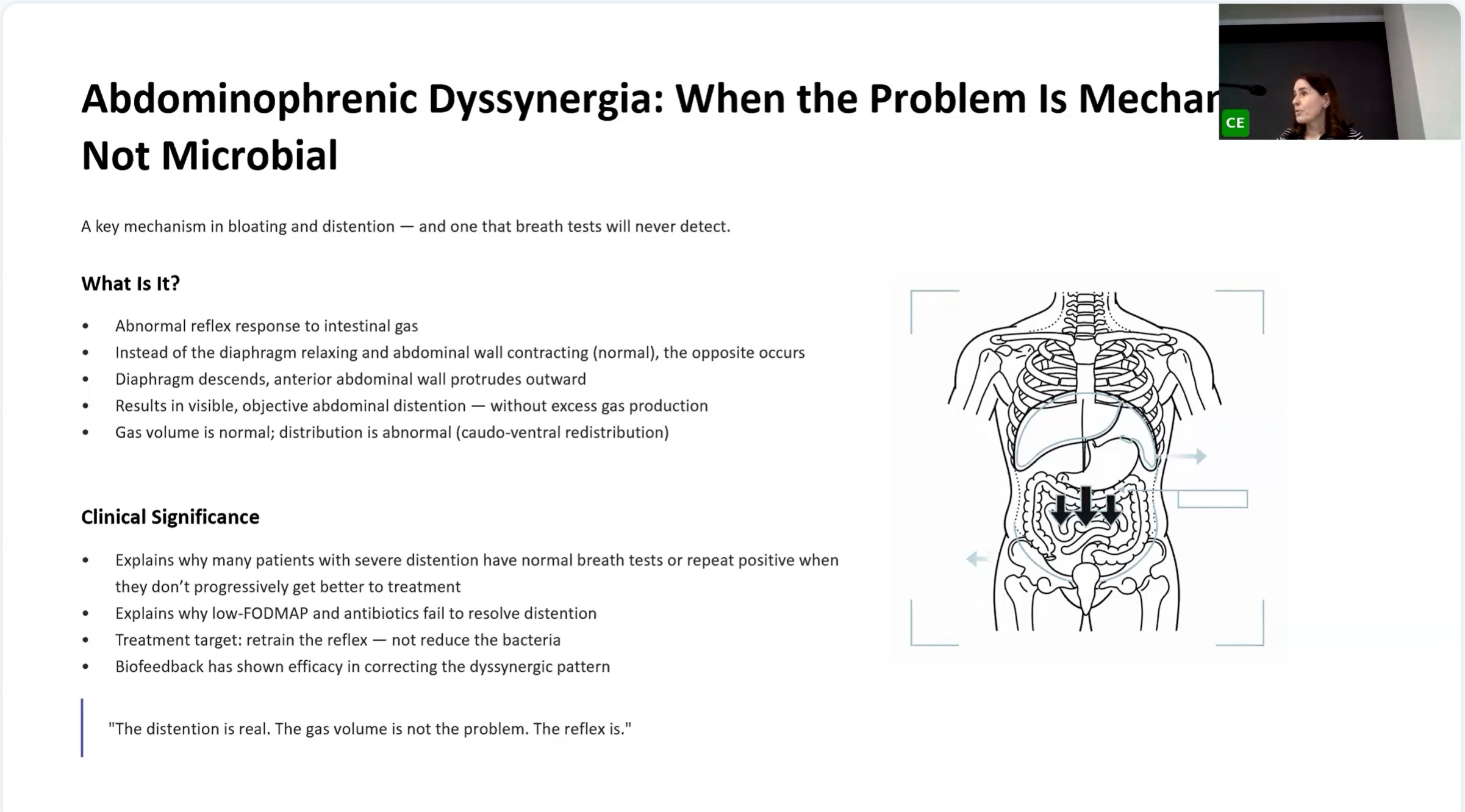
The session examines the multifactorial pathophysiology of DGBIs, highlighting the complex interplay between the gut–brain axis, visceral hypersensitivity, microbiota alterations, immune activation, and psychosocial factors such as stress and disordered eating patterns. Building on this foundation, a structured, stepwise clinical approach will be introduced to support accurate diagnosis, effective patient communication, and goal setting focused on functional outcomes and quality of life.
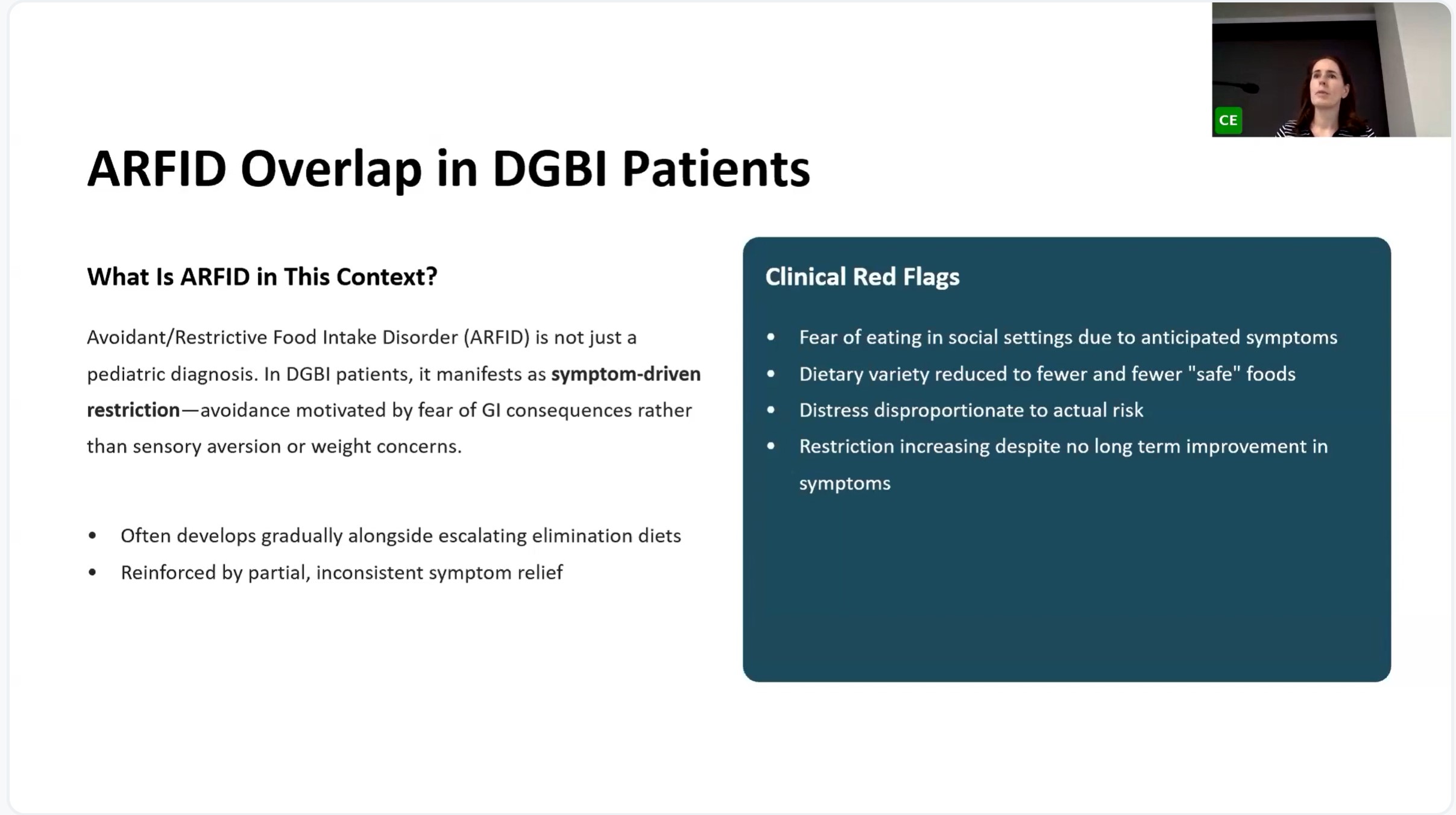
Participants will gain practical insights into the overlap between DGBIs and eating disorders, including ARFID, with an emphasis on minimizing harm from overly restrictive dietary interventions. A balanced review of treatment strategies will be presented, integrating both pharmacological options and evidence-based nonpharmacological therapies such as dietary modification, gut-directed hypnotherapy, and cognitive behavioural approaches.
Through case-based application and the introduction of practical clinical tools, this course equips clinicians with the knowledge and strategies needed to confidently assess and manage DGBIs using a patient-centered, multimodal framework.
Learning Objectives
- Identify the epidemiology, diagnostic criteria (Rome IV), and clinical presentation of common DGBIs, including IBS and functional dyspepsia.
- Explain the multifactorial pathophysiology of DGBIs, including gut-brain communication, visceral hypersensitivity, immune and microbiota changes, and psychosocial influences.
- Apply a practical, stepwise approach to the diagnosis and management of DGBIs in clinical settings using the multidimensional clinical profile framework.
- Integrate both pharmacologic and nonpharmacologic treatment strategies to improve patient function and quality of life.
- Recognize the overlap between DGBIs and eating disorders such as ARFID, and implement strategies to reduce risk from restrictive diets.
Title: Gut Brain Axis: Disordered Gut Brain Interaction
Speaker: Dr. Kim Bretz ND
Credit Approval: 1.5 Cat A Credits Approved (CONO)
Price: $44.99 CAD